
"light roast dark roast"
900 article(s) found

Why roast coffee beans in the basics of coffee?
The raw coffee beans for export are not the dark brown beans we often see in cafes with a luster of vegetable oil and a burst of coffee-scented beans. Coffee beans can only be roasted to become coffee beans for grinding and drinking. Of course, this is just a strange modern way, because in the early days, Ethiopians used the fruits of coffee to make wine.

Coffee Basics Chemical Reaction of Coffee in Roasting
Coffee has a wide variety of flavors. Different regions, different altitudes, different climates, different origins of coffee production have their own unique characteristics, green beans are fresh and completely without the usual coffee taste; coffee taste comes from proper roasting, showing fruity (medium light roast) or caramel sweet (deep roast). The lighter the roast, the more sour the taste.

The influence of coffee roasting degree on coffee flavor and taste which coffee is better to roast
Professional coffee knowledge exchange more coffee bean information Please follow coffee workshop (Wechat official account cafe_style) Coffee roasting coffee bean roasting coffee roasting training mainly affects the taste and flavor of coffee there are two major factors: first, the characteristics of raw beans, second, coffee beans roasting degree, beans roasting time, will affect the appearance and taste. The easiest way to judge is to bake beans.

Roasting Technology Research Coffee roasting Network China Coffee Network Coffee Barista's Gift
Technical research editors produce a series of chemical changes in the process of baking. After about 5-25 minutes of baking (depending on the temperature selected), the green coffee beans lose some humidity and turn yellow. In this process, the coffee beans will swell, changing from a strong, high-density raw bean to a low-density fluffy state. After this process, the size of coffee beans will increase.
Chemical reaction of Coffee in roasting
Coffee has a rich, wide range of flavors. Coffee produced in different regions, different elevations, different climates and different producing areas has its own unique characteristics. Raw beans are fragrant and have no usual coffee taste at all; the taste of coffee comes from proper roasting. Show fruity (light roasting) or caramel sweetness (deep roasting). The lighter the baking, the more sour it tastes. Baking.

Common sense of Coffee affecting the depth of roasting
Lightly fried beans contain more acid, so they are suitable for areas where alkaline water is used. Lower-grade coffee beans have the characteristics of poor taste, which can be easily revealed by stir-frying. So usually we use deep stir-fry to drive away the bad volatiles in the beans. From the previous discussion, mixing beans that have already been baked has many benefits. Habit and local people's love

How to roast coffee beans? How to bake coffee beans? How to bake at home? Roasting skills of coffee beans
Step-by-step coffee roasting basics No matter how you choose to roast coffee beans, there are several characteristics of coffee beans that you should keep in mind during your roasting process. In most cases, you can decide when to stop baking according to your preference. Keep the taste in mind. When you start heating raw coffee beans for the first time, they turn yellow and begin to emit

Chemical reaction of Fine Coffee in roasting
Coffee has a rich, wide range of flavors. Coffee produced in different regions, different elevations, different climates and different producing areas has its own unique characteristics. Raw beans are fragrant and have no usual coffee taste at all; the taste of coffee comes from proper roasting. Show fruity (light roasting) or caramel sweetness (deep roasting). The lighter the baking, the more sour it tastes. Baking.

Why do coffee beans need to be roasted? What is the purpose of roasting coffee beans?
The raw coffee beans for export are not the dark brown beans we often see in cafes with a luster of vegetable oil and a burst of coffee-scented beans. Coffee beans can only be roasted to become coffee beans for grinding and drinking. Of course, this is just a strange modern way, because in the early days, Ethiopians used the fruits of coffee to make wine.

The factors that affect the roasting degree of coffee beans what factors affect the roasting degree of coffee?
Lightly fried beans contain more acid, so they are suitable for areas where alkaline water is used. Lower-grade coffee beans have the characteristics of poor taste, which can be easily revealed by stir-frying. So usually we use deep stir-fry to drive away the bad volatiles in the beans. From the previous discussion, mixing beans that have already been baked has many benefits. Habit and local people's love
Color change of coffee beans during roasting
Roasting turns light green (or light yellow) raw coffee beans into the familiar tea-brown coffee beans, which slowly change from green to yellow, then to brown, and finally to brown.
Study on roasting Technology of Coffee; freshly roasted coffee beans distinguish the freshness of coffee beans
Technical research editors produce a series of chemical changes in the process of baking. After about 5-25 minutes of baking (depending on the temperature selected), the green coffee beans lose some humidity and turn yellow. In this process, the coffee beans will swell, changing from a strong, high-density raw bean to a low-density fluffy state. After this process, the volume of coffee beans will increase.
The roasting stage of coffee
Stir-fried coffee and raw beans are also called Roasting. Coffee according to roasting to remove moisture, the composition will also undergo chemical changes, resulting in volatile aroma, and become caramel color.
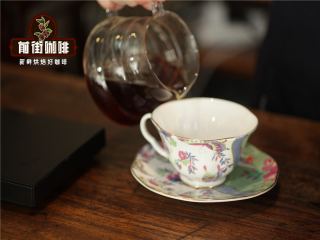
Beginner coffee beans recommend entry coffee: deep-roasted coffee or light-to-medium roasted coffee
If coffee beans are grown at high altitudes and roasted properly, they will taste great, just as we expected! To maximize the number of coffee beans they can grow on their land, some growers remove all trees from large tracts of land and plant coffee directly in the sun.
Chemical reaction of coffee beans in roasting
Coffee has a rich, wide range of flavors. Coffee produced in different regions, different elevations, different climates and different producing areas has its own unique characteristics. Raw beans are fragrant and have no usual coffee taste at all; the taste of coffee comes from proper roasting. Show fruity (light roasting) or caramel sweetness (deep roasting). The lighter the baking, the more sour it tastes. Baking.

Coffee Roasting Knowledge Introduction Coffee Roasting Introduction Tips Coffee Roasting Knowledge Introduction
Every city in the world has its own baking preference. Tokyo, slightly dark medium roasts are more popular, but slowly they also tend to be deep roasts. In Kansai, deep baking has been popular since then. New York, as its name suggests, tends to prefer city roasting, but because of the variety of people living in the city, it also sells coffee of varying degrees of roasting

Common sense of roasting of coffee beans Chemical reaction of coffee in roasting
Coffee has a rich, wide range of flavors. Coffee produced in different regions, different elevations, different climates and different producing areas has its own unique characteristics. Raw beans are fragrant and have no usual coffee taste at all; the taste of coffee comes from proper roasting. Show fruity (light roasting) or caramel sweetness (deep roasting). The lighter the baking, the more sour it tastes. Baking.

Why is the coarse ground coffee powder suitable for trickling filter-the common grinding thickness diagram of coffee powder
Why coarse ground coffee powder is suitable for drip filter coffee powder common grinding thickness figure 1, suitable for fineness grinding: Turkish copper pot, mocha pot, espresso machine. 2. Suitable for medium grinding: filter paper dripping filter, flannel dripping, plug air kettle (also known as siphon kettle). 3. Suitable for roughness grinding: dripping coffee machine, dripping filter pot. TIPS: by the way, the Turkish bronze pot is shaped like

1 minute to improve your coffee taste
1. Light Roast vs Dark Roast According to the American classification, the roasting of coffee beans can be divided into eight stages from light to dark. The taste of coffee depends mainly on the roasting degree. Generally, the deeper the roasting degree, the stronger the bitterness. The lower the roasting degree, the higher the sourness. The depth of roasting depends mainly on factors such as the characteristics of raw beans and personal preferences. 2. Espresso Coffee (Espr)
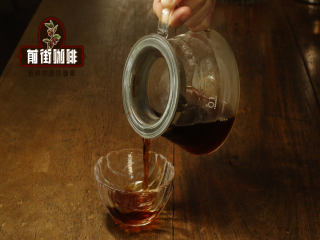
Why is black coffee bitter? How to make dark roasted coffee beans?
Now go to the coffee shop to order hand brew, maybe eight of the ten beans are sour. However, there are still many "ascetics"-like coffee friends who only like to drink bitter coffee. Where is the charm of this bitter coffee? Why are there still many coffee lovers obsessed with bitter coffee at a time when sour coffee is widely sought after? Where does coffee bitterness come from?